
As the summer temperatures in 2026 continue to rise, heat-related injuries are becoming a growing concern across the United States. Heat injuries, including heat exhaustion, heat stroke, and heat cramps, are more common during intense heat waves, which are becoming more frequent due to climate change. Understanding the risks associated with these injuries and knowing how to prevent them is vital for staying safe during the summer months.
This article provides essential tips on preventing heat injuries in 2026, from hydration to the proper clothing and understanding the signs of heat-related illnesses. By taking a few simple steps, individuals can avoid severe health consequences and continue to enjoy the warmer weather safely.

Understanding Heat Injuries and Their Types
Heat injuries occur when the body is unable to cool itself effectively in hot environments, leading to an imbalance of temperature regulation. There are several types of heat-related injuries, and understanding each can help in early detection and treatment.
- Heat Exhaustion:
This is one of the most common heat-related conditions. Symptoms include heavy sweating, weakness, dizziness, nausea, and fainting. Heat exhaustion occurs when the body’s cooling mechanisms (sweating, blood flow changes) are overwhelmed due to prolonged exposure to high heat. - Heat Stroke:
A medical emergency, heat stroke occurs when the body’s temperature regulation systems completely fail. The body temperature rises above 104°F (40°C), and symptoms may include confusion, dry skin, rapid pulse, and loss of consciousness. Without prompt treatment, heat stroke can be fatal. - Heat Cramps:
Heat cramps occur when muscles begin to cramp and spasm, typically after intense physical activity in the heat. This condition is less severe but can still be debilitating. It’s often a precursor to heat exhaustion or heat stroke if left unaddressed.
Risk Factors for Heat Injuries in 2026
Several factors increase the risk of heat injuries, including environmental, individual, and activity-related elements. Understanding these factors can help you better prepare and protect yourself during the hot months of summer.
- Rising Temperatures and Climate Change:
In recent years, heatwaves have become more intense, with summer temperatures in many parts of the United States consistently exceeding the 90°F (32°C) mark. As climate change continues to affect global weather patterns, extreme heat events are expected to increase, putting individuals at greater risk for heat-related illnesses. - Age and Health Conditions:
The elderly and very young are particularly vulnerable to heat injuries. Children are still developing their body’s ability to regulate temperature, and older adults may have reduced ability to sweat or may take medications that affect the body’s cooling mechanisms. Additionally, those with chronic health conditions such as heart disease or respiratory issues may be at a higher risk. - Physical Activity and Occupation:
People who work outdoors, participate in sports, or engage in strenuous physical activity during the summer months are more likely to experience heat-related injuries. Athletes, construction workers, agricultural laborers, and even outdoor enthusiasts must take extra precautions to avoid the dangerous effects of heat.
How to Prevent Heat Injuries This Summer
Prevention is key to staying safe during the hot summer months. Here are some important tips to minimize your risk of heat injuries:
- Stay Hydrated:
Dehydration is a leading cause of heat exhaustion and heat stroke. Drinking plenty of water throughout the day is essential, especially in hot weather. Avoid beverages with caffeine or alcohol, as they can contribute to dehydration. - Dress Appropriately:
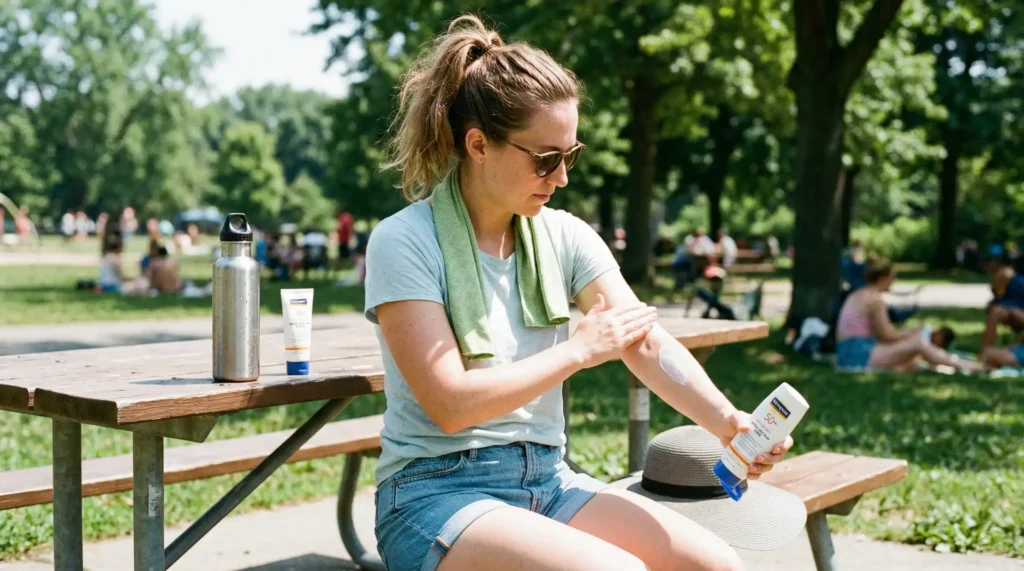
Wear loose, lightweight clothing made of breathable fabrics such as cotton. Dark-colored clothing absorbs heat, while lighter colors reflect it, helping to keep your body cooler. Wearing a wide-brimmed hat and sunglasses can also protect your skin and eyes from direct sunlight. - Use Sunscreen:
Apply a broad-spectrum sunscreen with at least SPF 30 before heading outdoors. Reapply it every two hours and more frequently if you sweat heavily. Protecting your skin from sunburns is not just about preventing skin cancer, but it can also help prevent heat-related skin injuries. - Avoid the Hottest Hours of the Day:
The sun is typically at its hottest between 10 a.m. and 4 p.m. During this time, try to stay indoors in air-conditioned environments or find shaded areas if you need to be outside. If you must be outside, take frequent breaks in cooler areas. - Take Frequent Breaks:
If you’re working or exercising in hot weather, be sure to take frequent breaks in a shaded or cool area. Allow your body time to cool down and rest. - Monitor the Heat Index:
The heat index is a combination of temperature and humidity, which can affect how hot it feels. Always check the heat index and adjust your outdoor activities accordingly. The higher the heat index, the higher the risk of heat injuries.
Recognizing the Signs of Heat Injuries
Knowing when to stop and seek help is crucial. If you or someone you know begins to show signs of heat exhaustion or heat stroke, it’s essential to act quickly.
- Heat Exhaustion Symptoms:
- Heavy sweating
- Weakness, dizziness, or nausea
- Headache
- Cool, pale, and clammy skin
- Rapid pulse
If someone is experiencing heat exhaustion, move them to a cool, shaded area, give them water, and allow them to rest.
- Heat Stroke Symptoms:
- Hot, dry skin (no sweating)
- High body temperature (104°F or higher)
- Rapid heart rate
- Nausea, vomiting, or confusion
- Loss of consciousness
If someone is showing signs of heat stroke, seek immediate medical help. While waiting for help, move the person to a cooler area, remove excess clothing, and try to cool them down with water or ice packs.
 Heat Injury Prevention in the Workplace
For outdoor workers, heat injuries are a significant concern. Employers must take steps to ensure that employees are safe from heat-related conditions. This includes providing plenty of water, shaded areas, and frequent breaks during the hottest part of the day.
- OSHA Guidelines for Outdoor Workers:
The Occupational Safety and Health Administration (OSHA) provides guidelines for employers on how to prevent heat injuries in the workplace. These guidelines include acclimatization periods, the use of cooling measures, and the importance of worker training on heat-related injuries. - Cooling Technology:
In some high-risk industries, wearable cooling technology is being utilized. These include cooling vests, neck fans, and even cooling bandanas that workers can use to stay cool throughout their shifts.
Conclusion:
As summer temperatures in 2026 continue to rise, it’s crucial to stay aware of the risks of heat-related injuries. By taking preventive measures such as staying hydrated, dressing appropriately, avoiding the hottest hours of the day, and recognizing the symptoms of heat exhaustion and heat stroke, individuals can stay safe and enjoy the summer months without the risk of heat injuries.
By making these simple changes and staying informed, everyone can contribute to reducing heat injuries in their communities, workplaces, and personal lives.