When Advanced Surgical Technology Creates Unexpected Risks
Robotic-assisted surgery has changed the way many medical procedures are performed in the United States. Hospitals increasingly use advanced surgical systems to help physicians perform complex operations through small incisions, control specialized instruments, and view internal structures with magnified three-dimensional imaging. These technologies can offer important benefits, including improved visualization, greater instrument maneuverability, and potentially shorter recovery periods for appropriately selected patients.
However, the use of sophisticated surgical equipment does not eliminate the possibility of medical complications. In some situations, a mechanical failure, software problem, electrical malfunction, defective instrument, or communication breakdown can create unexpected dangers during an operation. When a surgical robot does not function as intended, patients may experience serious injuries that require emergency treatment, additional surgery, prolonged hospitalization, or permanent medical care.
Surgical robot malfunctions raise complicated questions about patient safety and legal responsibility. A patient may initially assume that an injury resulted from an unavoidable surgical complication. However, further investigation could reveal that a robotic instrument broke, a system displayed inaccurate information, an electrical component malfunctioned, or the surgical team failed to respond appropriately to an equipment warning.
Not every complication involving robotic-assisted surgery is evidence of negligence or a defective medical device. Even properly functioning equipment can be associated with surgical risks, and some injuries occur despite appropriate medical care. Nevertheless, when an avoidable equipment failure or preventable mistake contributes to patient harm, the circumstances deserve careful examination.
Understanding how surgical robots work, what can go wrong, and which parties may be responsible can help patients and families recognize potential warning signs and make informed decisions after an unexpected surgical injury.
1. Understanding How Robotic-Assisted Surgery Works
Robotic-assisted surgery is a form of minimally invasive or computer-assisted surgery in which a physician uses specialized technology to control surgical instruments inside a patient’s body. Although the equipment is commonly described as a surgical robot, it generally does not operate independently. The surgeon remains responsible for directing the procedure and controlling the instruments.
The U.S. Food and Drug Administration’s overview of computer-assisted surgical systems explains that these systems allow surgeons to use computer and software technology to control instruments through small incisions. Depending on the system, the equipment may provide magnified three-dimensional visualization and allow precise movement of surgical tools.
Major Components of a Surgical Robotic System
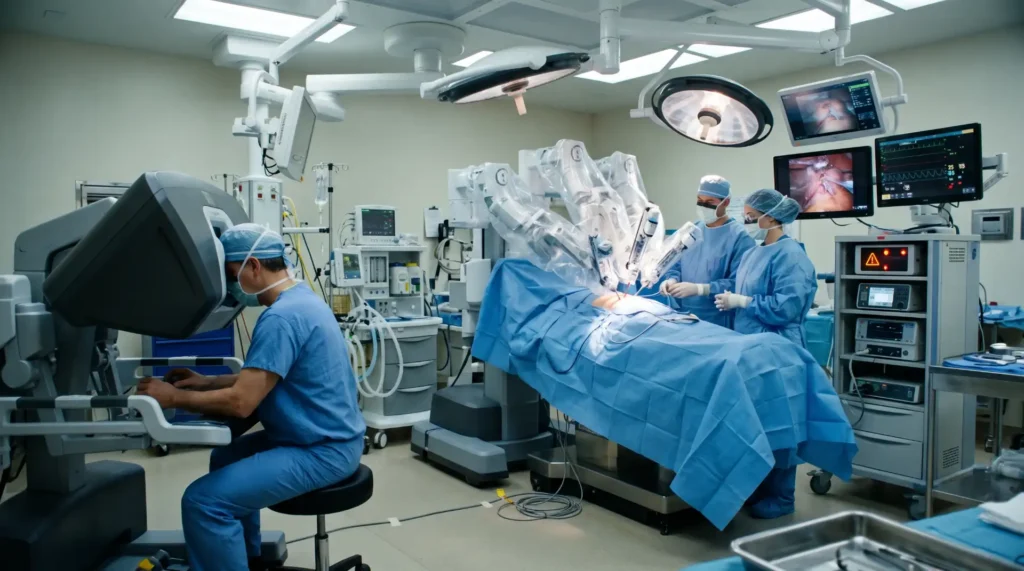
A typical robotically assisted surgical system contains several interconnected components. Each plays a role in helping the surgeon perform the procedure, and a problem with any important component may interfere with the operation.
The surgeon’s console: The console is the control center where the surgeon sits or stands while directing the robotic equipment. It typically includes hand controls, foot pedals, displays, and other interfaces that translate the surgeon’s movements into instrument movements.
The robotic arms: These mechanical structures hold and position surgical instruments. They may move, rotate, and manipulate tools inside the patient’s body. Their ability to perform controlled movements is particularly important when operating in confined anatomical spaces.
The surgical instruments: Instruments attached to robotic arms may include graspers, scissors, needle holders, cauterizing tools, and other specialized equipment. They are designed for specific surgical tasks and must function correctly throughout the procedure.
The camera and visualization system: A small camera provides images from inside the patient’s body. Depending on the equipment, the surgeon may receive a magnified three-dimensional view of the surgical area. Problems with the camera, display, lighting, or image transmission can interfere with the surgeon’s ability to identify anatomical structures.
The software and electronic controls: Software coordinates movements, interprets commands, manages system functions, and communicates information between the console and robotic instruments. Electronic failures or software-related problems can disrupt normal operation.
The power and supporting equipment: Electrical connections, cables, batteries, and other supporting components help maintain system operation. Unexpected interruptions or electrical problems may require the surgical team to stop using the robotic system.
Why These Systems Require Careful Monitoring
A robotic surgical system is only one part of a larger operating-room environment. Successful surgery also depends on the surgeon’s experience, the preparation of the operating room, anesthesia management, equipment maintenance, and communication among medical professionals.
Even a small equipment problem can become significant when it occurs during a delicate procedure. For example, an instrument that suddenly stops responding may prevent the surgeon from completing a planned movement. A visualization problem could make it harder to distinguish between nearby tissues. A mechanical issue might require the surgical team to remove the robotic instruments and continue using conventional techniques.
These situations demonstrate why hospitals need appropriate training, maintenance procedures, emergency protocols, and backup equipment.
2. Common Types of Surgical Robot Malfunctions
Surgical robot malfunctions can involve mechanical, electrical, software, imaging, or instrument-related problems. Some failures are immediately noticeable, while others may be difficult to identify until an injury or unexpected complication occurs.
The type of malfunction matters because different failures can create different risks and may point toward different causes of responsibility.
Mechanical Failures and Uncontrolled Instrument Movement
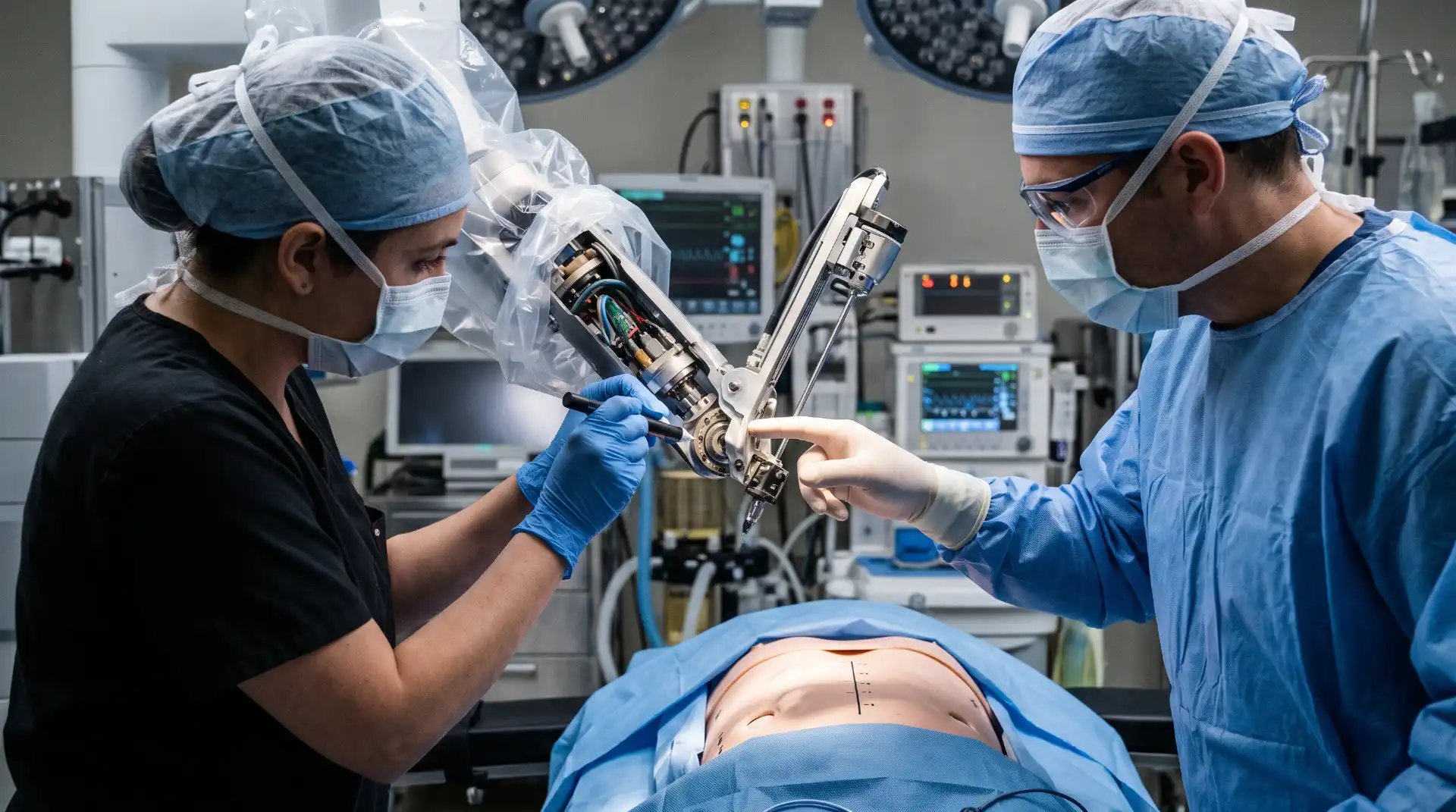
Mechanical problems are among the most concerning potential failures in robotic-assisted surgery. Robotic arms and attached instruments must respond predictably to the surgeon’s commands. If a mechanical component becomes damaged, disconnected, misaligned, or unable to maintain its intended position, the equipment may not behave as expected.
For example, a robotic instrument could become difficult to maneuver, a joint could malfunction, or a component could break during a procedure. If the instrument does not respond correctly, nearby tissue or blood vessels may be exposed to unintended contact.
A mechanical malfunction does not automatically mean that the system moved independently or that the surgeon lost all control. The specific circumstances must be established through technical evidence, medical records, and expert evaluation.
Software Errors and System Control Problems
Modern surgical robots depend on software to coordinate communication between the surgeon’s console and the robotic instruments. Software problems may involve incorrect commands, unexpected system interruptions, communication errors, or failures during system initialization.
A software-related malfunction could prevent an instrument from responding to a command or cause the system to enter a safety mode. Even when the system shuts down as designed, an interruption during a critical stage of surgery may create additional medical risks.
Software problems may also involve updates, compatibility issues, or configuration errors. If a manufacturer provides inadequate warnings or fails to address a known software defect, questions about product safety may arise.
However, establishing a software defect requires more than showing that a computer system experienced an error. Investigators must determine whether the software failed to meet applicable safety requirements and whether that failure contributed to the patient’s injury.
Camera and Visualization Failures
Surgeons rely heavily on the images displayed through robotic surgical systems. These images help them identify tissues, blood vessels, organs, and other anatomical structures.
If the camera becomes disconnected, produces distorted images, loses clarity, or experiences a display interruption, the surgeon’s view of the operating area may be compromised.
In a hypothetical situation, a camera problem could make it difficult to distinguish a blood vessel from nearby tissue. If the surgical team continues operating without adequately correcting the problem, the risk of an accidental injury may increase.
Visualization failures can also involve image lag, poor lighting, unexpected screen freezing, or communication problems between the camera and display system.
Electrical Failures and Unexpected Power Interruptions
Robotic surgical systems depend on electrical components to operate. Electrical problems may involve damaged cables, faulty connections, overheating, power interruptions, or defective internal components.
An unexpected power failure can interrupt the operation and require the surgical team to switch to conventional surgical instruments. Depending on the procedure and the timing of the failure, this transition may create additional challenges.
Electrical malfunctions involving energy-based surgical instruments can also raise concerns about burns or unintended tissue damage. Investigators may need to examine whether the equipment delivered energy appropriately and whether its safety features operated correctly.
Instrument Breakage and Retained Surgical Components
Robotic instruments are designed to withstand the physical demands of surgical procedures, but they can still experience damage or component failure.
A broken instrument tip, detached component, damaged grasper, or fractured surgical accessory could create complications inside the patient’s body. Depending on the circumstances, a detached component might need to be located and removed.
Retained surgical objects can lead to additional medical procedures, infection risks, inflammation, and other complications. However, not every retained object involves a robotic malfunction. Investigators must determine whether the component broke during use, was defective before surgery, or was handled improperly.
Communication Failures Between System Components
Robotic-assisted surgery requires reliable communication between multiple interconnected components. If the console, robotic arms, imaging system, or electronic controls fail to communicate properly, the surgeon may experience delays or interruptions.
A communication failure may trigger a warning or cause the system to stop responding. The surgical team must understand how to recognize these problems and follow the manufacturer’s emergency procedures.
If warning messages are ignored, misunderstood, or improperly addressed, a technical problem may become a patient-safety issue.
3. Serious Injuries That Can Result From Surgical Robot Malfunctions
The consequences of a robotic surgery malfunction depend on the nature of the failure, the type of operation, the patient’s medical condition, and how quickly the surgical team responds.
Some problems may be corrected without causing lasting harm. Others may contribute to serious injuries requiring emergency intervention or long-term treatment.
Internal Organ Damage
Internal organ injuries are among the most serious potential consequences of a surgical instrument malfunction.
An instrument that moves unexpectedly, breaks, or fails to respond correctly could potentially damage nearby organs. The specific organs at risk depend on the procedure.
For example, abdominal and pelvic operations may involve structures such as the bladder, bowel, kidneys, reproductive organs, and surrounding tissues.
An internal injury may cause bleeding, leakage, infection, or impaired organ function. In some cases, the patient may need another operation to repair the damage.
Blood Vessel Injuries and Severe Bleeding
Blood vessels can be particularly vulnerable during procedures involving delicate anatomical structures.
If a robotic instrument causes unintended tissue damage or a surgeon cannot adequately visualize the operating area because of an equipment problem, a blood vessel could be injured.
Severe bleeding may require emergency intervention, blood transfusions, or conversion to an open surgical procedure.
In particularly serious cases, uncontrolled blood loss can lead to shock, organ damage, or death.
Nerve Damage and Permanent Physical Impairment
Nerves control movement, sensation, and important bodily functions. Damage to these structures during surgery may produce lasting complications.
Depending on the location of the operation, nerve injuries could result in weakness, numbness, chronic pain, reduced mobility, or impaired bladder and bowel function.
A patient may require physical therapy, occupational therapy, medication, or additional procedures.
Although nerve injuries can occur during properly performed surgery, an equipment malfunction or preventable surgical error may warrant further investigation when the damage was avoidable.
Thermal Burns and Tissue Damage
Some robotic surgical instruments use electrical energy to cut tissue, control bleeding, or perform other surgical tasks.
When energy delivery is defective or an instrument malfunctions, unintended thermal damage may occur. Burns can affect tissue near the surgical site or, in some circumstances, structures that are not immediately visible.
Internal burns may be difficult to recognize during an operation. Symptoms can develop later, potentially including abdominal pain, fever, inflammation, infection, and signs of internal injury.
A patient experiencing unexpected symptoms after surgery should seek prompt medical evaluation rather than assuming that discomfort is part of normal recovery.
Infections and Sepsis
A surgical robot malfunction may contribute indirectly to infection if it causes tissue damage, extends an operation, or creates circumstances requiring additional procedures.
Infection may also involve contaminated or improperly processed surgical instruments, inadequate sterilization, or failures in hospital infection-control procedures.
A severe infection can progress to sepsis, a potentially life-threatening medical condition involving the body’s extreme response to infection.
Patients with fever, worsening pain, unusual drainage, confusion, or rapidly deteriorating health after surgery should seek immediate medical attention.
Permanent Disability and Loss of Independence
The most serious surgical injuries can affect a patient’s ability to work, move independently, perform household responsibilities, or participate in everyday activities.
A patient who suffers nerve damage, organ failure, severe burns, or a major internal injury may require extended rehabilitation and ongoing medical treatment.
These consequences can affect not only the injured person but also family members who must provide transportation, financial support, and daily assistance.
The long-term effects should be considered when evaluating the full impact of an alleged surgical robot malfunction.
4. Why Surgical Robot Injuries May Not Be Discovered Immediately
One of the most difficult aspects of robotic surgery injuries is that complications are not always apparent while the patient remains in the operating room.
Some injuries are immediately visible. Severe bleeding, an instrument breakage, or a major equipment interruption may be recognized during the procedure.
Other complications may develop gradually.
Delayed Symptoms After Surgery
Internal injuries can sometimes produce symptoms hours or days after an operation. A patient may initially believe that pain, nausea, weakness, or fatigue is part of the expected recovery process.
However, worsening symptoms may indicate a complication that requires additional evaluation.
Warning signs may include increasing abdominal pain, persistent vomiting, unexplained fever, difficulty breathing, unusual swelling, severe weakness, or unexpected changes in bodily functions.
These symptoms do not prove that a robotic system malfunctioned. They do, however, justify medical attention.
Complications Misidentified as Normal Recovery
Patients often receive instructions explaining that some pain, bruising, fatigue, and temporary discomfort can occur after surgery.
The difficulty arises when an unusual complication is mistakenly treated as an ordinary recovery symptom.
For example, a patient experiencing increasing abdominal pain after robotic-assisted surgery may initially receive reassurance that discomfort is expected. If the underlying problem involves internal damage or infection, a delayed diagnosis could make treatment more difficult.
Patients should report significant changes in their condition and request clarification when symptoms do not match the recovery instructions they received.
Additional Surgery May Reveal the Original Problem
Sometimes an injury is discovered only when a patient undergoes another medical procedure.
A surgeon performing corrective surgery may identify unexpected tissue damage, internal bleeding, a retained component, or an injury that was not recognized during the original operation.
The medical team may then need to determine when the injury occurred and whether it resulted from the original surgical procedure, an equipment failure, or another medical complication.
Obtaining the records from both operations can be important when investigating a potential injury claim.
5. Who May Be Legally Responsible for a Surgical Robot Malfunction?
Determining legal responsibility after a robotic surgery injury can be complicated because several individuals and organizations may have contributed to the circumstances surrounding the procedure.
A malfunction does not automatically establish liability. The injured patient generally needs evidence connecting an actionable error, defect, or other legally recognized basis for responsibility to the resulting harm.
Depending on the facts and applicable state law, potentially responsible parties may include medical device manufacturers, hospitals, surgeons, other healthcare professionals, and maintenance contractors.
Surgical Robot Manufacturers
A manufacturer may face a product liability claim if a defect in the surgical robot caused or contributed to a patient’s injury.
Product liability cases generally involve several categories of alleged defects.
Design defects: A design defect claim argues that the product’s design created an unreasonable safety risk and that an appropriate alternative design may have reduced that risk.
Manufacturing defects: A manufacturing defect claim involves a product that departed from its intended specifications or design during production or assembly.
Failure to warn: A failure-to-warn claim may arise when a manufacturer did not provide adequate instructions, safety warnings, or information about known risks.
For example, suppose a surgical instrument contains a manufacturing defect that causes a component to break during an operation. If the broken component injures the patient, the manufacturer may face a product liability investigation.
Similarly, a software-related defect or inadequate safety warning may become relevant if evidence establishes that the problem contributed to the injury.
Hospitals and Surgical Facilities
Hospitals have responsibilities involving patient safety, equipment management, staffing, and operating-room procedures.
Depending on applicable law and the facts, a hospital may face liability if it fails to maintain equipment appropriately, ignores known safety problems, provides inadequate training, or allows unsafe equipment to remain in use.
For example, a hospital may be questioned if maintenance records show repeated problems with a robotic surgical system but the equipment continued to be used without appropriate inspection or corrective action.
Hospitals may also be responsible for the conduct of employees under applicable employment and agency rules.
However, liability is not automatic simply because an injury occurred inside a hospital. Investigators must establish the relevant duty, breach, causation, and damages under the applicable legal framework.
Surgeons and Other Medical Professionals
The surgeon remains responsible for directing robotic-assisted surgery. Robotic technology does not eliminate the professional duties associated with patient care.
A medical malpractice claim may arise if a surgeon or another healthcare professional fails to meet the applicable standard of care and that failure causes injury.
Potential issues may include:
-
Using equipment without adequate training.
-
Failing to recognize or respond appropriately to warning messages.
-
Continuing a procedure despite an unresolved equipment problem.
-
Failing to convert to conventional surgery when medically appropriate.
-
Improperly positioning robotic instruments.
-
Failing to monitor the patient’s condition.
-
Delaying treatment after recognizing a surgical complication.
These examples are not automatic proof of malpractice. Medical experts generally need to evaluate the circumstances and determine whether the healthcare professional’s conduct fell below the applicable standard of care.
Medical Equipment Maintenance Contractors
Some hospitals use outside companies to inspect, repair, or maintain sophisticated surgical equipment.
A maintenance contractor may become relevant if an improper repair, missed inspection, incorrect replacement component, or failure to communicate a known technical problem contributed to the malfunction.
For example, if a technician improperly reconnects a component and the system later experiences a dangerous interruption, investigators may need to examine the maintenance work and applicable service procedures.
The responsible party could be the contractor, the hospital, the manufacturer, or more than one entity, depending on the evidence and governing law.
Software Developers and Technology Suppliers
Certain robotic surgical systems rely on specialized software or components supplied by multiple companies.
A software developer or technology supplier may be relevant when a defective software component, inadequate testing, or another technical problem contributes to the malfunction.
However, determining responsibility can be difficult because the manufacturer may integrate components from several suppliers and maintain control over the finished medical device.
The contractual relationship between companies, product design responsibilities, applicable regulatory requirements, and technical evidence may all affect the legal analysis.
6. Medical Malpractice Versus Product Liability in Robotic Surgery Cases
One important distinction in surgical robot injury claims is the difference between medical malpractice and product liability.
Although both legal theories may arise from the same operation, they focus on different alleged causes of harm.
Understanding Medical Malpractice
Medical malpractice generally concerns the actions or omissions of healthcare professionals.
The central question is whether the medical provider failed to meet the applicable standard of care and whether that failure caused the patient’s injury.
For example, imagine a surgeon receives a clear warning that a robotic instrument is malfunctioning but continues using the equipment without taking appropriate safety precautions.
If expert evidence establishes that a reasonably careful surgeon would have responded differently and the failure caused an injury, a medical malpractice claim may be possible.
Understanding Product Liability
Product liability focuses on whether a defective product caused injury.
A surgical robot manufacturer may be investigated if a component breaks unexpectedly, a safety mechanism fails, or a software defect creates an unreasonable risk.
For example, imagine that a robotic instrument contains an improperly manufactured connection. During surgery, the connection fails and causes an instrument component to detach.
The resulting investigation may examine the product’s manufacturing records, inspection procedures, testing data, and warnings.
Can Both Types of Claims Apply?
Yes. In some cases, a patient may have potential claims involving both medical negligence and product defects.
Consider a hypothetical operation in which a robotic instrument repeatedly produces a malfunction warning. The surgical team continues using it, and the instrument eventually breaks, causing internal damage.
The manufacturer may be investigated over the instrument defect, while the medical team may be investigated over its response to the warnings.
Whether both claims can proceed depends on the evidence, applicable law, and procedural requirements.
An attorney familiar with medical malpractice and product liability can help determine which legal theories may apply.
7. What the FDA Does to Monitor Surgical Robot Safety
The U.S. Food and Drug Administration plays an important role in regulating medical devices, including robotically assisted surgical systems.
The agency evaluates applicable medical devices through its regulatory framework and monitors safety information after products enter the market.
FDA oversight is important because equipment problems may not become apparent until devices are used in real clinical settings.
Medical Device Reports and Safety Monitoring
The FDA receives medical device reports involving suspected device-related deaths, serious injuries, and malfunctions.
According to the agency’s information about computer-assisted surgical systems, many reports involving robotic surgical devices describe malfunctions such as component breakage, mechanical problems, and image or display issues.
The FDA also acknowledges receiving reports of injuries and deaths associated with these devices.
An important qualification is that medical device reports do not automatically establish that a product caused an injury. Reports may contain incomplete or inaccurate information, and duplicate submissions can occur. The reporting system also cannot independently establish how frequently an event occurs among all procedures.
For patients researching a suspected equipment failure, the FDA’s Medical Device Reporting and patient safety information explains how device problems can be reported and how the agency uses these reports.
Medical Device Recalls
If a manufacturer identifies a safety problem, it may initiate a recall or corrective action.
A medical device recall can involve inspection, repair, adjustment, replacement, labeling changes, or other measures intended to address a product problem.
Not every recall means that all affected devices must immediately be removed from hospitals. Some corrective actions are intended to address a specific issue while allowing continued use under appropriate conditions.
Patients and healthcare professionals can review the FDA’s medical device recall information to understand how recalls work and what different recall classifications mean.
A recall may be relevant to a patient injury investigation, particularly when the same model or component was involved in the procedure. However, the existence of a recall does not automatically prove that the device caused a particular patient’s injury.
New FDA Guidance and Emerging Robotic Technology
Robotic surgical technology continues to develop, creating new regulatory and patient-safety considerations.
In September 2026, the FDA issued draft guidance concerning premarket submissions for certain robotically assisted surgical devices. The draft discusses recommendations involving nonclinical testing, clinical data, and labeling.
The document is a draft for public comment, not a final binding guidance document. The FDA listed November 24, 2026, as the comment deadline.
This development is relevant because more advanced surgical technologies require careful evaluation before they are introduced into clinical practice.
As robotic systems incorporate increasingly sophisticated software, imaging, automation, and remote-control capabilities, safety testing and clear instructions become particularly important.
8. How Patients Can Protect Their Rights After a Robotic Surgery Injury
Patients who experience unexpected complications after robotic-assisted surgery may feel overwhelmed. They may be recovering from a serious injury while trying to understand whether the problem involved the surgeon, the hospital, or the surgical equipment.
Taking organized steps can help protect medical records and preserve information that may become important later.
Seek Immediate Medical Attention
The first priority after a suspected surgical injury is medical treatment.
Patients should not delay care while trying to determine whether an equipment malfunction occurred. Serious complications can become more difficult to treat when medical attention is postponed.
Anyone experiencing severe or worsening pain, significant bleeding, fever, breathing difficulties, fainting, confusion, or other concerning symptoms should seek prompt medical evaluation.
Emergency treatment should take priority over gathering evidence or contacting an attorney.
Request Complete Medical Records
Medical records can help establish what happened before, during, and after surgery.
Patients may request relevant records from the hospital, surgeon, and other healthcare providers.
Depending on availability and applicable record-retention rules, useful documents may include:
-
Preoperative evaluations and consent forms.
-
Surgical reports and operative notes.
-
Anesthesia records.
-
Postoperative monitoring records.
-
Nursing documentation.
-
Imaging and diagnostic results.
-
Medical records from corrective procedures.
-
Discharge instructions.
-
Documentation of reported equipment problems.
Under the federal HIPAA Privacy Rule, patients generally have a right to access copies of their medical records, subject to applicable exceptions and procedures.
It may also be helpful to request information identifying the robotic surgical system and instruments used during the procedure.
Preserve Information About the Surgical Equipment
When a potential product defect is suspected, identifying the specific equipment can be important.
Useful information may include the manufacturer, device model, serial number, instrument type, and any available device identification information.
Patients may not have direct access to all equipment records, particularly when the hospital controls the device. However, an attorney may be able to seek relevant documentation through appropriate legal procedures.
If the hospital or manufacturer investigates the malfunction, records concerning the investigation, maintenance, and corrective actions may also become relevant.
Patients should avoid attempting to inspect, repair, or handle potentially defective medical equipment themselves.
Document Symptoms and Recovery Problems
Keeping a written record of symptoms can help patients communicate with their healthcare providers and document the effects of an injury.
A recovery journal may include the date symptoms began, changes in pain levels, mobility problems, medication use, additional medical appointments, and restrictions on everyday activities.
Patients should also preserve relevant medical bills, pharmacy receipts, transportation expenses, and documentation of missed work.
These records may help establish the financial and personal consequences of an injury.
Obtain an Independent Medical Opinion
When a patient believes that a surgical complication was not properly explained or treated, an independent medical opinion may help clarify the situation.
A physician who was not involved in the original operation may review the medical records and explain whether the injury is consistent with a recognized surgical complication or whether further investigation is appropriate.
In a legal claim, qualified medical experts may also evaluate whether the healthcare team’s actions met the applicable standard of care.
An independent opinion does not automatically establish negligence, but it can help identify questions that deserve further examination.
9. Evidence That May Be Important in a Surgical Robot Injury Claim
Robotic surgery cases can involve technical evidence that is not typically present in ordinary medical malpractice disputes.
The medical records may explain what happened to the patient, but they may not fully reveal why the surgical system malfunctioned.
A thorough investigation may require evidence from several sources.
Operating Room Records
Operating room records can help establish the timeline of the procedure.
They may contain information about equipment preparation, staff members present, surgical events, system interruptions, and actions taken after a problem occurred.
In some cases, these records may help identify when a malfunction first appeared and how the surgical team responded.
Robotic System Logs
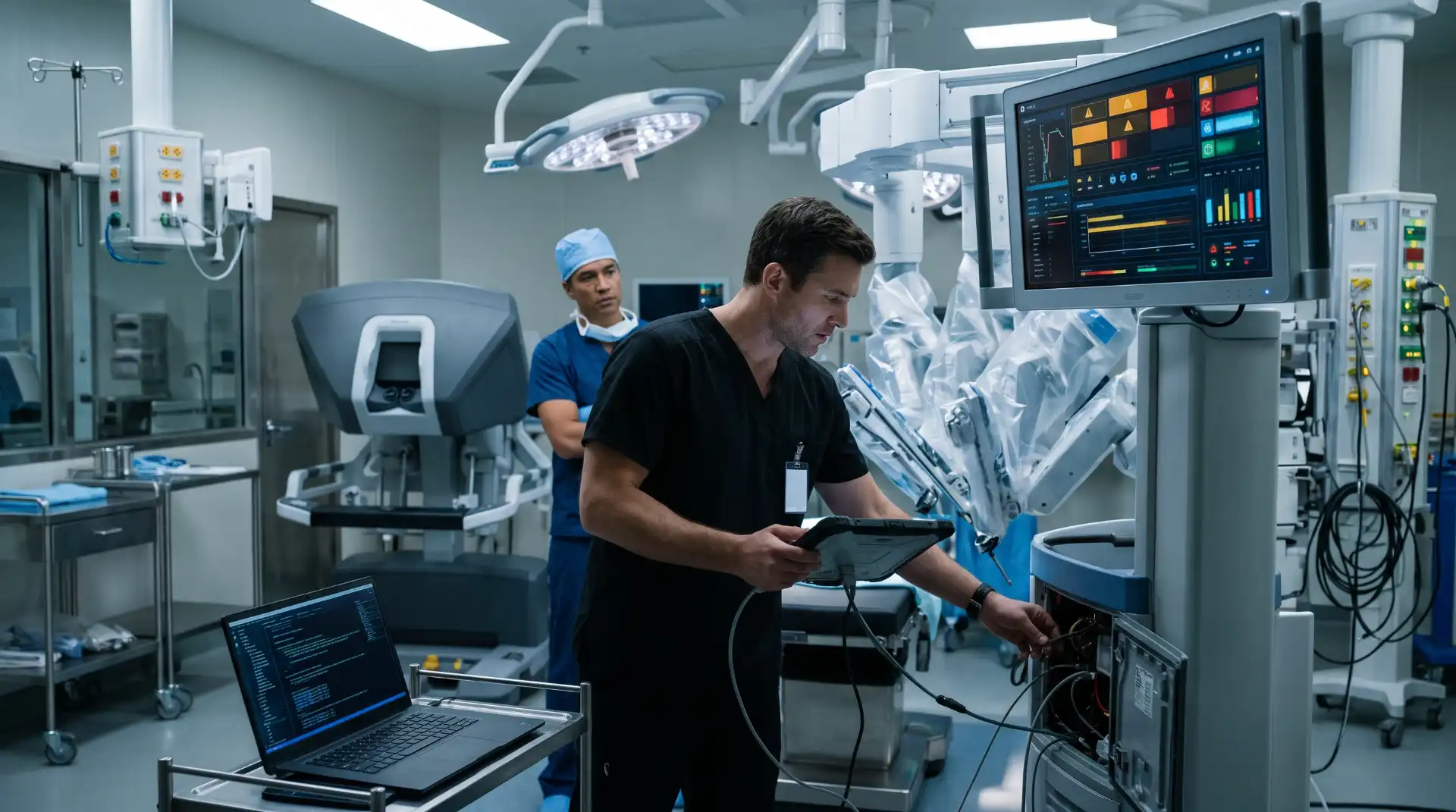
Depending on the system and the information retained, technical logs may record error messages, system interruptions, instrument events, or other operational information.
These records can be particularly valuable when a manufacturer or hospital disputes whether the device malfunctioned.
A technical expert may need to interpret the information to determine whether the system operated as intended.
Maintenance and Inspection Records
Maintenance documentation may show whether the equipment received required inspections and repairs.
Investigators may examine whether the hospital followed the manufacturer’s recommendations, whether technicians identified earlier problems, and whether replacement parts were installed appropriately.
A history of repeated equipment problems may be relevant if the same issue contributed to a patient’s injury.
Manufacturer Documents and Safety Communications
Product manuals, training materials, warning labels, technical notices, and recall communications may help establish what risks were known and what precautions were recommended.
These documents may also help determine whether the manufacturer adequately communicated important safety information to hospitals and medical professionals.
Expert Witness Testimony
Technical and medical experts may play an important role in surgical robot injury cases.
A medical expert may assess the nature of the injury, the surgical decisions made, and whether the standard of care was followed.
An engineering expert may examine the equipment, identify a possible defect, and explain how the malfunction occurred.
A software specialist may be needed if the alleged problem involves system programming, electronic communication, or software behavior.
The evidence must ultimately establish the relevant legal elements under the applicable law.
10. Compensation Available After a Surgical Robot Injury
When a surgical robot malfunction or related negligence causes a compensable injury, the patient may be entitled to pursue financial recovery.
The amount and types of compensation depend on the facts, the severity of the injury, the available evidence, and the law governing the claim.
Medical Expenses
Medical expenses may include emergency treatment, corrective surgery, hospitalization, diagnostic testing, prescription medication, rehabilitation, and future medical care.
Patients with permanent complications may require ongoing treatment for years.
A damages assessment may need to consider both expenses already incurred and reasonably supported future medical needs.
Lost Income and Reduced Earning Capacity
A serious surgical injury may prevent a patient from returning to work immediately.
Some patients may be unable to perform their previous jobs or may need to reduce their working hours because of permanent physical limitations.
Depending on the circumstances, compensation may include past lost wages and reduced future earning capacity.
Employment records, tax documents, and professional assessments may help establish these losses.
Pain and Suffering
Compensation for pain and suffering may address the physical discomfort and emotional effects associated with an injury.
These damages can be relevant when a patient experiences chronic pain, repeated procedures, permanent disability, or a prolonged recovery.
The rules governing noneconomic damages differ among states, and certain types of claims may be subject to special limitations.
Rehabilitation and Long-Term Care
Patients who experience nerve damage, mobility limitations, or organ injuries may require physical therapy, occupational therapy, assistive devices, or home healthcare.
Long-term care expenses may become a major part of an injury claim, especially when a patient cannot live independently.
Emotional Distress and Loss of Quality of Life
Unexpected surgical injuries can affect a person’s confidence, relationships, mental well-being, and ability to enjoy everyday activities.
A patient who undergoes surgery expecting improvement but instead experiences permanent complications may face significant emotional difficulties.
Where permitted by applicable law, these consequences may be considered when evaluating noneconomic damages.
11. How Long Do Patients Have to File a Surgical Robot Injury Lawsuit?
Time limits are especially important in surgical robot injury cases because medical malpractice and product liability claims may be governed by different deadlines.
There is no single nationwide statute of limitations covering every robotic surgery injury.
The applicable deadline depends on the state where the claim is filed, the type of legal claim, the date of injury, when the injury was discovered, and other relevant circumstances.
Medical Malpractice Deadlines
Many states have specific statutes of limitations for medical malpractice claims.
Some states also impose statutes of repose, which can establish an outside deadline regardless of when the injury was discovered.
Additional requirements may include advance notice, expert certifications, or other procedural steps.
For this reason, patients should not assume that the deadline begins only when they receive a definite explanation of the injury.
Product Liability Deadlines
Product liability claims may have different filing periods from medical malpractice claims.
The applicable deadline can depend on whether the claim involves a design defect, manufacturing defect, or failure to warn.
Some jurisdictions also apply special rules concerning the discovery of injuries, product age, or the date a product was sold.
Why Early Legal Advice Matters
Evidence involving surgical robots can be difficult to preserve.
Device logs may be subject to retention policies, equipment may be repaired or replaced, and technical information may be controlled by manufacturers or hospitals.
Seeking legal advice early can help patients understand relevant deadlines and determine what records or evidence may need to be preserved.
An attorney can also evaluate whether multiple legal claims may be available and whether state-specific procedural requirements apply.
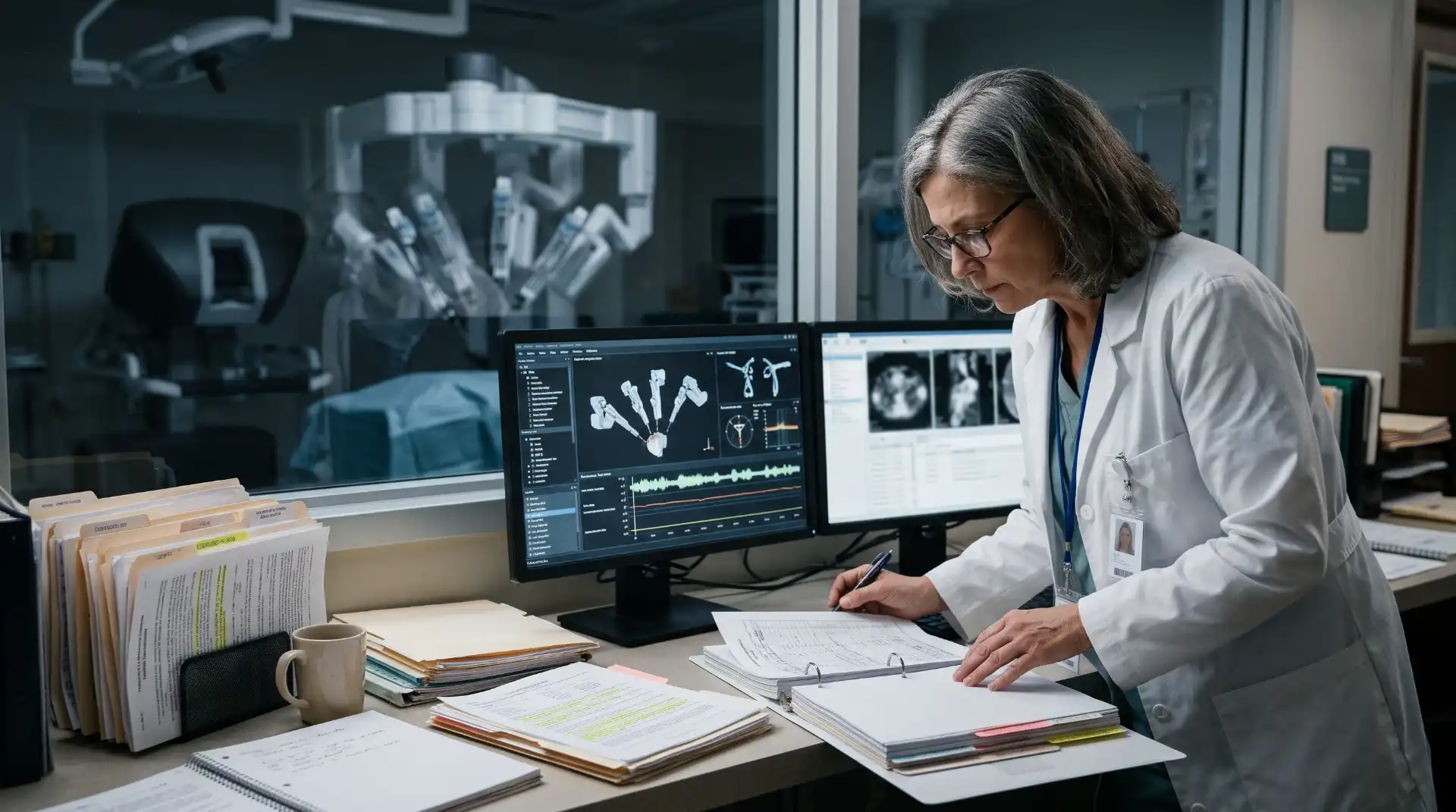
12. What Patients Should Ask Before Choosing Robotic-Assisted Surgery
Patients considering robotic-assisted surgery should have an opportunity to understand the procedure, the expected benefits, and the potential risks.
Robotic technology is not automatically the best choice for every patient or every operation.
A traditional open procedure, conventional minimally invasive surgery, or another treatment approach may be more appropriate depending on the patient’s condition.
Ask About the Surgeon’s Experience
Patients can ask how frequently the surgeon performs the proposed procedure using robotic technology.
It may also be useful to ask about the surgeon’s training with the specific system and experience managing unexpected equipment problems.
Experience with robotic-assisted surgery can vary significantly between physicians and institutions.
Understand the Benefits and Alternatives
Patients should ask why robotic assistance is being recommended and whether comparable procedures can be performed using other techniques.
Questions may include whether robotic surgery is expected to reduce recovery time, improve visualization, or offer another specific benefit in the patient’s circumstances.
Patients should also ask about the risks associated with each available treatment option.
Ask About Equipment Safety and Emergency Procedures
Patients may reasonably ask how the hospital maintains its robotic equipment and what happens if the system stops functioning during surgery.
The hospital should have procedures for responding to equipment failures and transitioning to conventional surgical techniques when medically appropriate.
Understanding these safeguards can help patients make informed decisions.
Review the Informed Consent Process
Informed consent should provide meaningful information about the procedure, its risks, expected benefits, and available alternatives.
Patients should have an opportunity to ask questions before agreeing to treatment.
The consent process should not be reduced to signing a document without understanding the nature of the proposed operation.
13. The Growing Role of Surgical Robots and Future Patient Safety Challenges
Robotic-assisted surgery is likely to remain an important part of modern healthcare. Medical technology continues to advance, and manufacturers are developing systems with improved visualization, more sophisticated instruments, enhanced software, and additional automated capabilities.
These developments may provide important clinical benefits, but they also introduce new safety considerations.
More Sophisticated Software Requires Stronger Safety Testing
As robotic systems become more dependent on software, the consequences of programming errors, communication failures, and cybersecurity vulnerabilities may become increasingly important.
Manufacturers must evaluate how software interacts with mechanical components and how the system responds when an unexpected condition occurs.
Safety testing should consider not only normal operation but also foreseeable failures and emergency situations.
Remote Operation and Advanced Automation
Some emerging medical technologies involve remote-control capabilities or increased automation.
These systems create additional questions about communication reliability, operational control, cybersecurity, and the responsibilities of medical professionals.
A remote connection failure during a procedure, for example, could raise different safety issues from a conventional mechanical failure.
The more complex the technology becomes, the more important it is to establish clear operational safeguards.
Hospital Training Must Keep Pace With Technology
New equipment requires appropriate training for surgeons, nurses, technicians, and other operating-room personnel.
Training should address routine operation as well as equipment warnings, emergency shutdown procedures, instrument replacement, and conversion to alternative surgical methods.
Hospitals must also recognize that familiarity with one robotic system does not necessarily establish competence with every other model.
Transparency and Reporting Help Improve Patient Safety
Accurate reporting of medical device problems can help regulators and manufacturers identify recurring issues.
Patients and healthcare professionals should be able to report suspected device-related complications through appropriate channels.
Hospitals should also maintain effective internal reporting procedures so that equipment problems can be investigated rather than treated as isolated incidents.
Improved transparency can help identify safety concerns earlier and reduce the likelihood of similar incidents affecting other patients.
14. Final Thoughts: Technology Should Improve Surgery Without Compromising Patient Safety
Robotic-assisted surgery represents an important development in modern medicine. These systems can help physicians perform certain procedures with advanced visualization and specialized instruments, but they are not free from risk.
Mechanical failures, software errors, instrument breakage, electrical problems, and imaging interruptions can create unexpected challenges during an operation. Depending on the circumstances, these problems may contribute to internal organ damage, bleeding, nerve injuries, burns, infections, or permanent disability.
Determining why an injury occurred requires more than assuming that a complication was caused by the robot or that the surgeon made a mistake. A proper investigation may involve reviewing medical records, examining equipment logs, analyzing maintenance documentation, and obtaining opinions from qualified medical and technical experts.
Patients who experience serious complications after robotic-assisted surgery should prioritize medical treatment, preserve relevant records, and consider obtaining independent medical and legal advice when they suspect that an avoidable failure contributed to their injuries.
Hospitals, manufacturers, surgeons, and technology providers all have important roles in maintaining patient safety. As surgical robotics becomes more advanced, careful testing, proper training, transparent reporting, and responsible equipment management will remain essential.
Medical technology should support better patient outcomes. When equipment malfunctions or preventable errors cause serious harm, patients deserve answers and an opportunity to understand their legal options.
15. Wrongful Death Claims Involving Surgical Robot Malfunctions
In the most serious cases, a robotic surgery complication may contribute to a patient’s death. These situations can be particularly difficult for families because they may not know whether the death resulted from an unavoidable medical complication, a medical professional’s mistake, or a problem involving the surgical equipment.
A wrongful death investigation may examine the events leading up to the operation, the patient’s medical condition, the surgical team’s decisions, and the performance of the robotic system.
For example, a hypothetical case might involve a robotic instrument malfunction that causes severe internal bleeding. If the bleeding is not recognized or controlled promptly, the patient could experience life-threatening complications. Investigators would need to determine whether the equipment malfunctioned, whether the surgical team responded appropriately, and whether earlier intervention could have prevented the death.
Depending on state law, surviving family members or the estate may have the right to pursue a wrongful death or related survival claim.
Potentially recoverable damages may include funeral and burial expenses, medical expenses associated with the final injury, lost financial support, and certain noneconomic losses. The availability of these damages depends on the applicable state’s wrongful death statutes.
Families should also understand that a death following robotic-assisted surgery does not automatically establish malpractice or product liability. Medical records, autopsy findings when available, device information, and expert evaluations may be necessary to determine the cause.
When a family suspects that a surgical robot malfunction contributed to a loved one’s death, obtaining legal advice promptly may help preserve important evidence and clarify the available options.
16. Frequently Asked Questions About Surgical Robot Malfunctions
Can a surgical robot operate without a surgeon controlling it?
Most robotically assisted surgical systems used in conventional surgery require direct control by a qualified surgeon. The robotic equipment translates the surgeon’s commands into instrument movements. Although newer technologies may introduce additional automated capabilities, patients should not assume that a conventional surgical robot independently performs an entire operation.
What happens if a surgical robot stops working during an operation?
The surgical team may pause the procedure, investigate the warning or malfunction, replace an instrument, restart the system when appropriate, or transition to conventional surgical techniques. The appropriate response depends on the problem, the procedure, and the patient’s medical condition.
Hospitals should have procedures for managing equipment failures so that patient safety remains the priority.
Can a surgical robot malfunction cause permanent injuries?
Yes. Depending on the nature of the malfunction and the circumstances of the operation, a patient could experience serious internal injuries, nerve damage, bleeding, burns, infection, or other complications. Some injuries may require additional surgery or long-term rehabilitation.
Who investigates a surgical robot malfunction?
Several parties may become involved, including the hospital’s patient-safety department, the device manufacturer, qualified technical specialists, medical professionals, and the FDA. A patient’s legal representative may also arrange an independent investigation when a potential injury claim exists.
Does a surgical complication automatically mean medical malpractice?
No. Surgery involves recognized risks, and complications can occur even when medical professionals provide appropriate care. A malpractice claim generally requires evidence that a healthcare professional failed to meet the applicable standard of care and that the failure caused injury.
Can I sue a surgical robot manufacturer?
Potentially. If a defective surgical robot or component caused an injury, a patient may have grounds for a product liability claim. The available legal theories depend on the defect, the evidence, and the applicable state law.
Can I file a claim against both the hospital and the manufacturer?
In some cases, yes. A product defect and a separate failure in hospital care may both contribute to the same injury. However, each claim must be supported by evidence establishing the applicable legal requirements.
How can I find out whether my surgical robot was recalled?
Patients can search the FDA’s medical device recall resources and request information from the hospital about the manufacturer and model used during their procedure. A recall involving the same equipment may be relevant, although it does not independently establish that the device caused a particular injury.
How long does a surgical robot injury lawsuit take?
There is no standard timeline. Some cases resolve through settlement, while others require extensive medical and engineering investigations and proceed to litigation. The complexity of the equipment, the severity of the injuries, the number of potentially responsible parties, and state court procedures can all affect the duration.
Should I contact a lawyer if my doctor says the complication was unavoidable?
Patients are not required to assume that an unexpected complication was unavoidable simply because that is the initial explanation. If they have concerns, they may obtain an independent medical opinion and consult an attorney experienced in medical malpractice and product liability. An independent investigation can help clarify whether further action is justified.